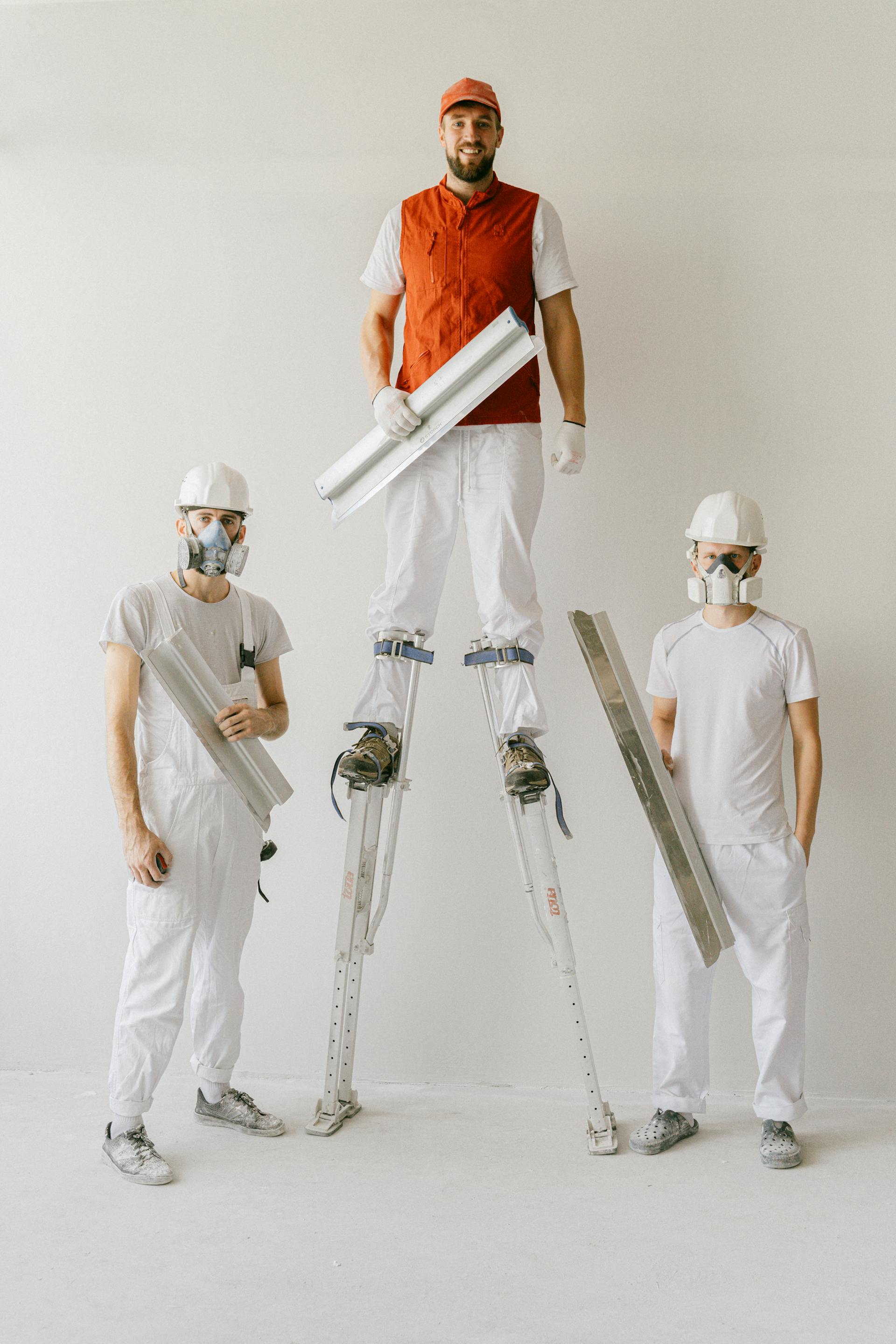


Drywall Repair Baton Rouge, LA
That crack running along your ceiling joint didn't appear overnight — it's been working its way across the drywall tape for months, maybe longer, quietly telling you something is wrong. Maybe it's thermal movement from another brutal Baton Rouge summer where the heat index pushed past 107°F for two weeks straight. Maybe it's a slow leak from the roof that took its sweet time migrating down through the attic. Maybe your house sat in standing water during the August 2016 flood like over 100,000 other homes across East Baton Rouge Parish, and the drywall you thought was fine has been harboring moisture problems ever since. Whatever the cause, drywall damage in Baton Rouge is rarely simple, and it's almost never just cosmetic.
We've been doing drywall repair in Baton Rouge long enough to know that this climate punishes walls in ways that contractors in drier parts of the country simply don't encounter. The combination of year-round humidity averaging 75 to 90 percent, annual rainfall that routinely exceeds 60 inches, and a hurricane season that runs half the year creates conditions where gypsum board repair isn't just a patch-and-paint job — it's a diagnostic process. You have to find out why the damage happened before you can fix it properly. Skip that step and you're mudding over a problem that will be back within a year, sometimes sooner.
This page covers what homeowners and property managers across Baton Rouge need to understand about professional drywall repair: what causes the damage in the first place, what a proper repair actually involves, what it costs, and why the details matter more here than almost anywhere else in the country.
Why Drywall Takes a Beating in Baton Rouge
Spend any time in the trades around here and you develop a deep respect for what this subtropical climate does to interior walls. The Mississippi River corridor, the Bluebonnet Swamp just off Bluebonnet Road, the low-lying neighborhoods stretching from Mid City out through Sherwood Forest — all of it sits in an environment that keeps moisture levels elevated even on a clear day in October. That moisture doesn't stay outside.
The most common culprits behind drywall damage in Baton Rouge fall into a handful of recurring categories:
- Flood and water intrusion damage: The 2016 Louisiana flood is the obvious reference point, but water-damaged drywall repair in Baton Rouge is a year-round reality. Tropical storms, severe thunderstorms with wind-driven rain, and roof damage from storm debris send water into wall cavities constantly. Homes in the Tara and Kleinpeter areas, both of which took significant flooding in 2016, still have owners discovering secondary damage that wasn't fully addressed in the original remediation.
- Humidity-driven mold and deterioration: When HVAC systems run nearly every month of the year — which they do in Baton Rouge — the temperature differential between a cooled interior and a hot, humid exterior wall creates condensation risk right where the drywall meets the insulation. Over time, that moisture wicks into the gypsum core and paper facing, creating the conditions mold needs to establish itself. Mold-resistant drywall repair becomes necessary not just in bathrooms but in exterior walls throughout the house.
- Thermal expansion cracking: Summer temperatures that regularly exceed 95°F, combined with the near-freezing temperatures that occasionally roll through in January and February, put real stress on drywall joints and tape. The expansion and contraction cycle works at the seams first. Crack repair calls in neighborhoods like Bocage and University Hills frequently trace back to this thermal movement, especially in older homes where the original tape and joint compound have lost their flexibility.
- Pipe bursts and plumbing leaks: When a rare winter freeze hits Baton Rouge — the kind that catches homeowners off guard because it happens maybe once every few years — pipes that weren't properly insulated burst. The resulting water damage can saturate entire wall sections before anyone realizes what's happening. We've handled jobs in the Garden District and Broadmoor where a single burst pipe behind a bathroom wall destroyed 200 square feet of drywall before the water was even shut off.
- Settling and structural movement: The clay-heavy soils across East Baton Rouge Parish shift with the seasons. Wet periods expand the soil, dry periods contract it. That movement telegraphs into the structure of the house and shows up as cracks at corners, above door frames, and along ceiling-to-wall transitions. This is particularly common in older neighborhoods like Old Jefferson and Mid City where homes have had decades to settle into their current patterns.
- Impact damage and general wear: Door handles punching through walls, furniture catching corners, kids and everyday life taking their toll. Hole repair is bread-and-butter work — but even a simple patch done wrong will stand out permanently if the texture matching isn't right.
What a Professional Drywall Repair Actually Involves
When customers call about a water stain or a crack they've been ignoring, we tell them the same thing every time: the visible damage is the starting point, not the whole story. A professional repair process in Baton Rouge looks different from what you'd find in a drier climate because the moisture variable demands more investigation up front.
The first step is always assessment. Before a single piece of drywall comes off the wall, we need to understand the moisture situation — checking with a moisture meter, looking for signs of mold behind the damaged section, and tracing the water source if one exists. Covering wet or compromised drywall with new material is a mistake that leads to mold growth, callbacks, and in some cases, real health problems for the occupants. We've seen plenty of jobs in the Shenandoah area where what looked like a simple patch turned into a full wall replacement once we got into the cavity.
Once the assessment is done, the repair process follows a logical sequence:
- Removal of damaged material: All wet, moldy, or structurally compromised drywall comes out. Clean cuts to the nearest stud or joist create solid backing for the new panel. No shortcuts here.
- Addressing the underlying cause: New drywall going over an unresolved leak or moisture issue is wasted money. The source gets fixed first — whether that's a roofing repair, a plumbing fix, or improving ventilation in a problem area.
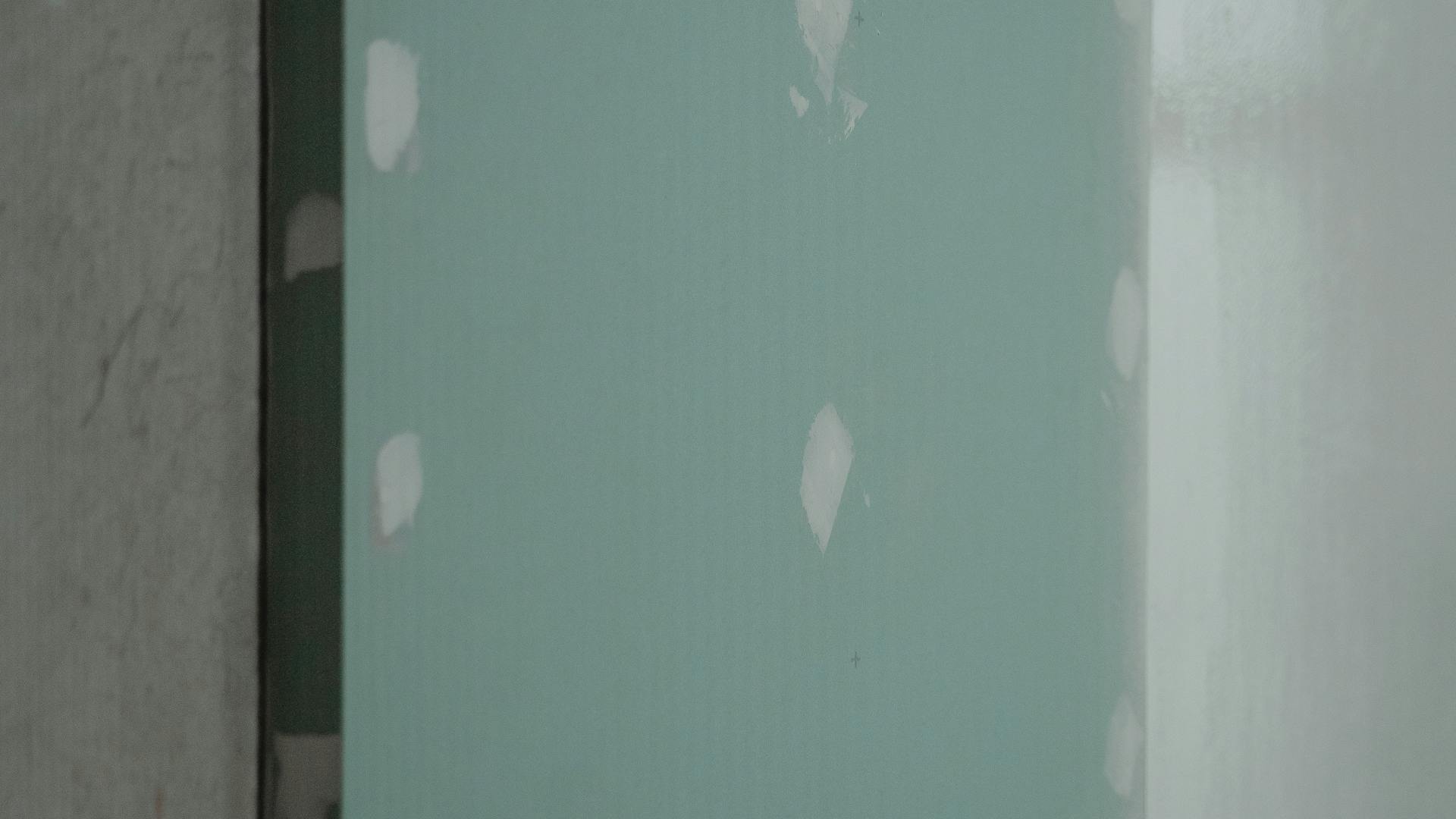
- Material selection: This matters more in Baton Rouge than most places. Standard half-inch drywall is fine for interior walls in conditioned, dry spaces. But bathrooms, laundry rooms, exterior walls with moisture exposure, and any area with a history of water problems should get moisture-resistant gypsum board — what most people call greenboard or purple board. Louisiana's adoption of the 2015 International Residential Code, specifically IRC Section R702.4, requires moisture-resistant board in wet areas, and East Baton Rouge Parish inspectors enforce it. In garages adjacent to living spaces, five-eighths-inch Type X fire-rated drywall is required under IRC R302.6, and Baton Rouge inspections are strict about that detail.
- Installation and framing: New panels get fastened to solid backing. Any damaged framing — studs or joists softened by water exposure — gets sistered or replaced before the new drywall goes up. A patch is only as solid as what it's attached to.
- Taping and mudding: This is where the craft shows. Joint compound application requires multiple coats, proper drying time between each, and feathering that extends well beyond the seam to achieve a flat, invisible finish. In Baton Rouge's humidity, drying time between coats isn't something you can rush — compound that hasn't fully cured will crack as it dries down to its final moisture content, especially during summer months when interior humidity stays elevated even with the AC running.
- Texture matching: The part most homeowners don't think about until they see a flat patch on a textured wall. Whether it's the orange peel texture common in newer Baton Rouge construction, a knockdown finish, or the popcorn ceiling texture still widespread in homes built before the late 1980s, matching existing texture is a skill that takes real practice. A mismatched patch is immediately visible, even after painting.
- Priming and finishing: New drywall and fresh joint compound are porous. They absorb paint differently than the surrounding wall, which means skipping a proper primer coat produces a finish that looks off in certain lighting — what painters call "flashing." A quality PVA drywall primer seals the surface and ensures the final paint coat looks uniform across the whole wall.
Flood-Damaged Drywall Repair: The Baton Rouge Reality
The August 2016 flood deserves its own conversation because it changed how a lot of people in this city think about drywall. More than 100,000 homes were affected across the Baton Rouge area. In the rush to get those homes livable again, a significant number of repairs were done too quickly — without adequate drying time, without proper mold remediation, and without the moisture-resistant materials that flood-zone conditions demand.
We still get calls about it.
Homeowners in Tara, Kleinpeter, and parts of Sherwood Forest who thought their homes were fully remediated are finding mold behind walls that were closed up before the framing dried out completely. That's not a criticism of the people who did that work under impossible pressure — it's just the reality of what happens when a disaster of that magnitude hits a city and demand for contractors exceeds available supply by a factor of ten.
Flood-damaged drywall repair done correctly follows FEMA guidelines and Louisiana's own requirements for flood-zone construction. Many areas of East Baton Rouge Parish fall within FEMA Zone AE or Zone X, and properties in those zones may have specific requirements around flood-resistant materials below the Base Flood Elevation. That's not just regulatory box-checking — it's practical protection against the next event, and this city has learned the hard way that there will be a next event.
Proper flood remediation work involves complete removal of all affected material to at least 12 inches above the flood line, thorough drying of the structural framing (typically requiring industrial dehumidifiers running for days, not hours), antimicrobial treatment of the framing before any new material goes up, and installation of moisture-resistant or mold-resistant drywall in the replacement sections. Louisiana Act 1484 also requires disclosure of mold-related damage in real estate transactions, so cutting corners on post-flood drywall work isn't just a quality issue — it's a liability issue for anyone who might sell their home down the road. If you're dealing with the aftermath of a storm or flood, our Baton Rouge drywall team can assess what was done previously and identify what still needs to be addressed.
Drywall Repair Cost in Baton Rouge
Pricing is where a lot of homeowners get confused, because drywall repair cost in Baton Rouge varies significantly based on what the job actually involves. A small hole repair — a doorknob punch-through or a cable access hole — is a fundamentally different scope of work from replacing water-damaged sections across multiple rooms. Trying to compare those two jobs on a per-square-foot basis doesn't tell you much.
A few factors drive cost more than anything else in this market:
- Size and location of the damage: Small patches in accessible areas cost less than large sections requiring new framing, especially in ceilings where the labor is harder and the texture matching more demanding.
- Material requirements: Moisture-resistant and mold-resistant drywall costs more than standard board. Jobs that require Type X fire-rated material add to the material cost as well.
- Texture complexity: Matching a simple flat finish is straightforward. Matching an existing knockdown or orange peel texture across a large area takes more time and skill, and that's reflected in the price.
- Underlying repairs needed: If the framing needs sistering, if there's a plumbing issue to address first, or if mold remediation is required before new drywall can go up, those are separate line items that affect the total.
- Access and job conditions: High ceilings, tight spaces, and occupied homes where dust containment matters all add time to a job.
What we can tell you is that getting a proper assessment before committing to a price is the only way to avoid surprises. A quote based on a photo or a phone description of "a crack above the door" doesn't account for what might be behind that crack. We'd rather spend 20 minutes looking at a job in person than give a number that doesn't hold up once we open the wall. Reach out to our local drywall crew and we'll come take a look.
Choosing a Drywall Repair Contractor in Baton Rouge
There's no shortage of people willing to patch drywall in this city. After every major storm, the number of contractors — some legitimate, some not — spikes dramatically. A few things worth checking before you hire anyone for drywall repair in Baton Rouge:
- Louisiana contractor licensing: The Louisiana State Licensing Board for Contractors (LSLBC) requires licensure for residential construction work above certain thresholds. Verify that any contractor you hire is properly licensed for the scope of work involved. The LSLBC database is publicly searchable.
- Insurance: General liability and workers' compensation coverage protect you if something goes wrong on your property. Ask for certificates, not just verbal confirmation.
- Local references: A contractor who has worked in Baton Rouge neighborhoods knows the specific challenges of this climate and the local inspection requirements. Ask for references from jobs in similar conditions — post-flood repairs, humidity-related damage, older homes with settled framing.
- Written scope of work: Vague proposals lead to disputes. A written scope that specifies materials, the extent of removal, texture matching approach, and what happens if additional damage is found behind the wall protects both parties.
The texture matching question alone separates experienced local contractors from out-of-town crews who show up after a storm. Getting the finish right on a Baton Rouge home — whether it's a 1960s ranch in Broadmoor or a newer build in Prairieville — requires familiarity with the regional construction styles and the specific products that hold up in this humidity. That's not something you pick up in a weekend.
Whether you're dealing with a single hole in a hallway wall or the aftermath of a roof leak that ran down through two floors, the approach is the same: find out what actually happened, fix the cause, and then repair the drywall the right way the first time. That's what professional drywall work in Baton Rouge looks like when it's done properly — and it's the only version worth paying for.
Last updated: